

Protecting the Vulnerable: A Christian Response to Domestic Violence

Written by Justin Bowles, LPC
Scripture clearly instructs God’s people “to do justice, and to love kindness, and to walk humbly with your God” (Micah 6:8). As we recognize Domestic Violence Awareness Month in October, the church has an important opportunity to consider what faithful, Christ-centered care looks like for those experiencing abuse.
Domestic abuse—whether physical, sexual, emotional, financial, or spiritual—is contrary to God’s design for relationships and to His call for His people to walk in love, justice, and mercy. Scripture never gives one person permission to use strength, authority, marriage, or spiritual leadership as a means of controlling, intimidating, degrading, or harming another person. Instead, God repeatedly reveals His concern for those who are oppressed and vulnerable and calls His people to defend and care for them (Psalm 82:3–4; Isaiah 1:17).
Recognizing this distinction is an important step toward creating a church community that responds wisely to abuse. Protecting someone from harm is not contrary to preserving the sanctity of marriage; abuse itself violates the covenantal faithfulness, sacrificial love, and care that should characterize marriage.
When someone discloses abuse, our first response should not be to determine how quickly the relationship can be restored. Instead, we should begin by asking: Is this person safe? What is happening behind closed doors? How can we wisely protect and care for those who are vulnerable?
Recognizing Spiritual Abuse
Jesus strongly confronted religious leaders who misused spiritual authority and placed heavy burdens upon others (Matthew 23:1–12, 23–28). His words remind us that spiritual language and positions of religious authority can be distorted and used to harm others.
Spiritual abuse occurs when Scripture, theology, religious authority, or spiritual disciplines are used as instruments of power, coercion, intimidation, or control.
This can look like:
Using Scripture selectively or out of context to justify dominance, control, intimidation, or violence.
Pressuring someone to remain in an unsafe situation or discouraging appropriate separation when protection and safety are necessary.
Isolating someone from pastors, family, friends, counselors, or others who might recognize the abuse and provide help.
Demanding immediate forgiveness, trust, or reconciliation while minimizing the seriousness of the abuse.
Treating apologies as evidence of repentance without looking for meaningful and sustained change.
Scripture gives us a richer understanding of repentance. Biblical repentance involves more than remorse, apologies, or saying the right words. It involves turning from sin and bearing fruit consistent with repentance (Matthew 3:8; 2 Corinthians 7:10–11).
Likewise, forgiveness does not mean the immediate restoration of trust, removal of appropriate consequences, or automatic reconciliation. Trust can be profoundly damaged by abuse and may require substantial evidence of genuine repentance and lasting change. In some situations, safety requires significant boundaries or separation.
How Faith Communities Can Shift from Awareness to Action
Paul describes the church as one body whose members care for one another: “If one member suffers, all suffer together” (1 Corinthians 12:26). The church therefore has an important role in protecting, supporting, and walking alongside vulnerable people.
We can take abuse seriously without abandoning hope for repentance. We can value marriage deeply without making preservation of a marriage more important than protecting those who are being harmed. We can extend grace without minimizing evil. And we can walk patiently with survivors without demanding that healing, forgiveness, trust, or reconciliation happen according to our timetable.
Churches can take practical steps this October and throughout the year by teaching clearly about abuse, making resources safely and discreetly accessible, and equipping pastors and ministry leaders to recognize patterns of abuse, power, coercion, and control.
Perhaps most importantly, when someone finds the courage to disclose abuse, the church can be prepared to listen carefully, take concerns seriously, prioritize safety, and respond with both biblical wisdom and practical care.
As the body of Christ, we are called to speak truth, pursue justice, show mercy, protect the vulnerable, and faithfully walk alongside those who suffer.
The church should be a place where suffering can be brought into the light rather than hidden to preserve appearances. May our churches increasingly become communities where those experiencing abuse are heard, protected, wisely cared for, and continually pointed toward the compassion and hope of Christ.
Helpful Resources:
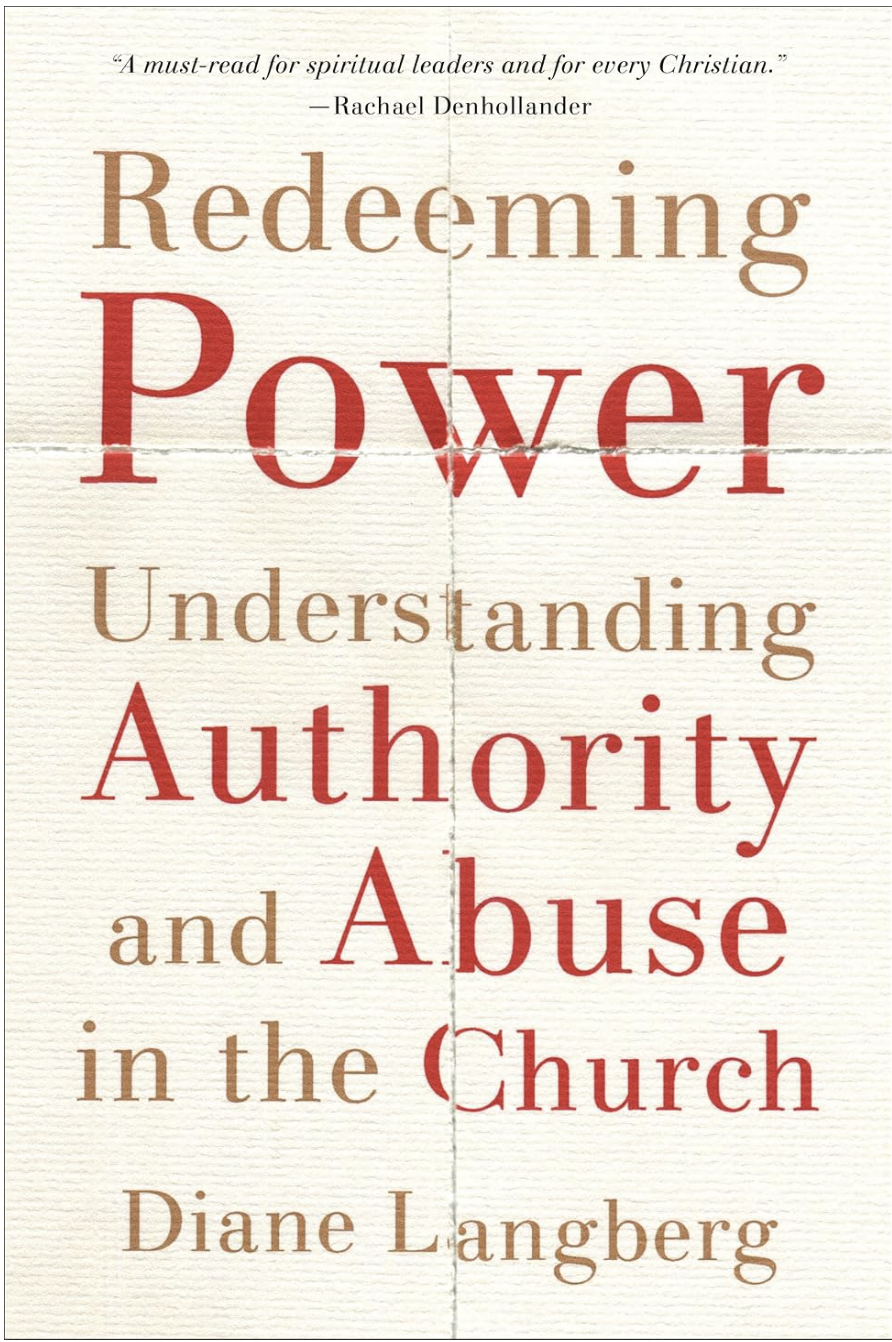
Redeeming Power: Understanding Authority and Abuse in the Church
by Diane Langberg
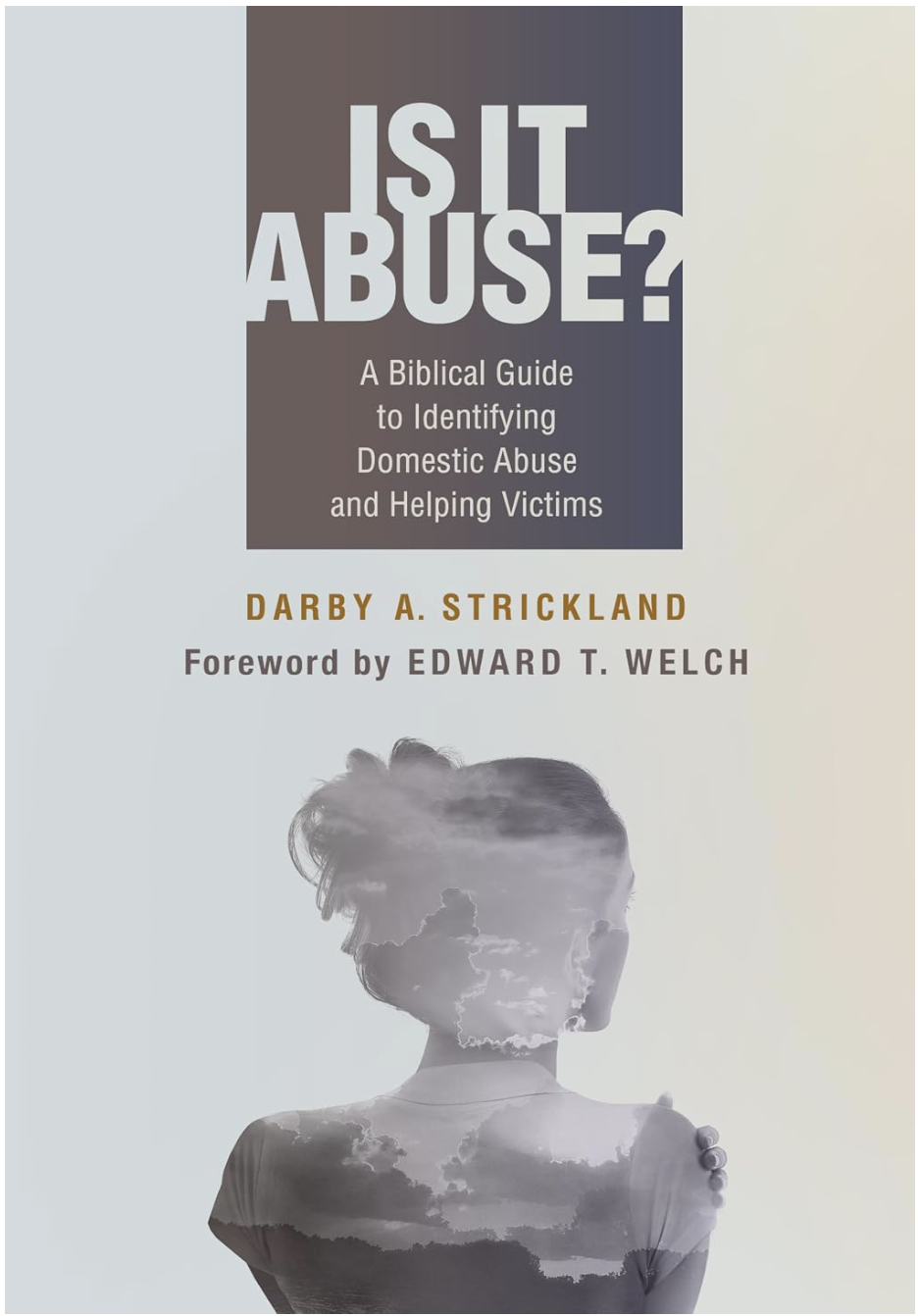
Is It Abuse? A Biblical Guide to Identifying Domestic Abuse and Helping Victims
by Darby A. Strickland
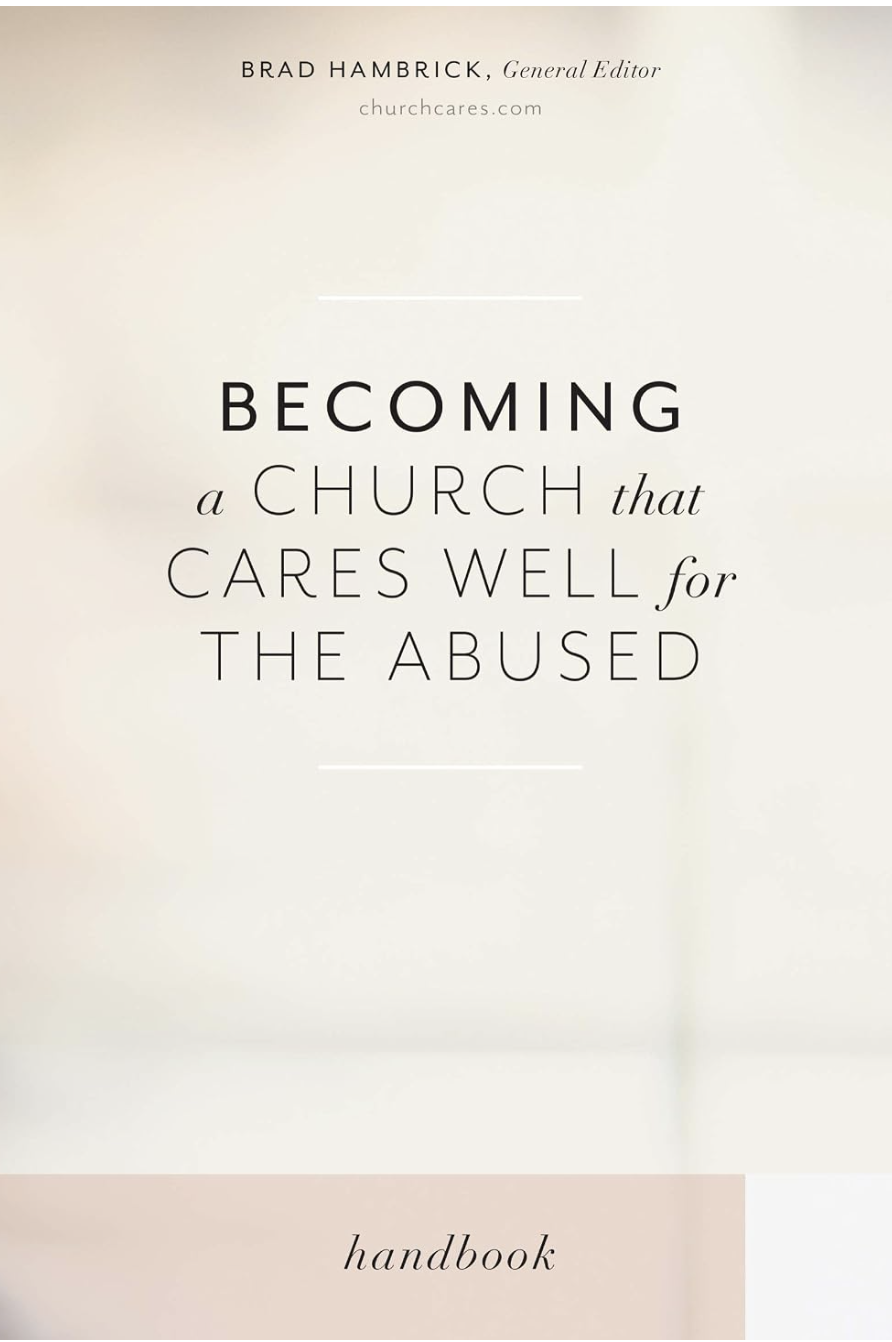
Becoming a Church That Cares Well for the Abused
General Editor, Brad Hambrick
